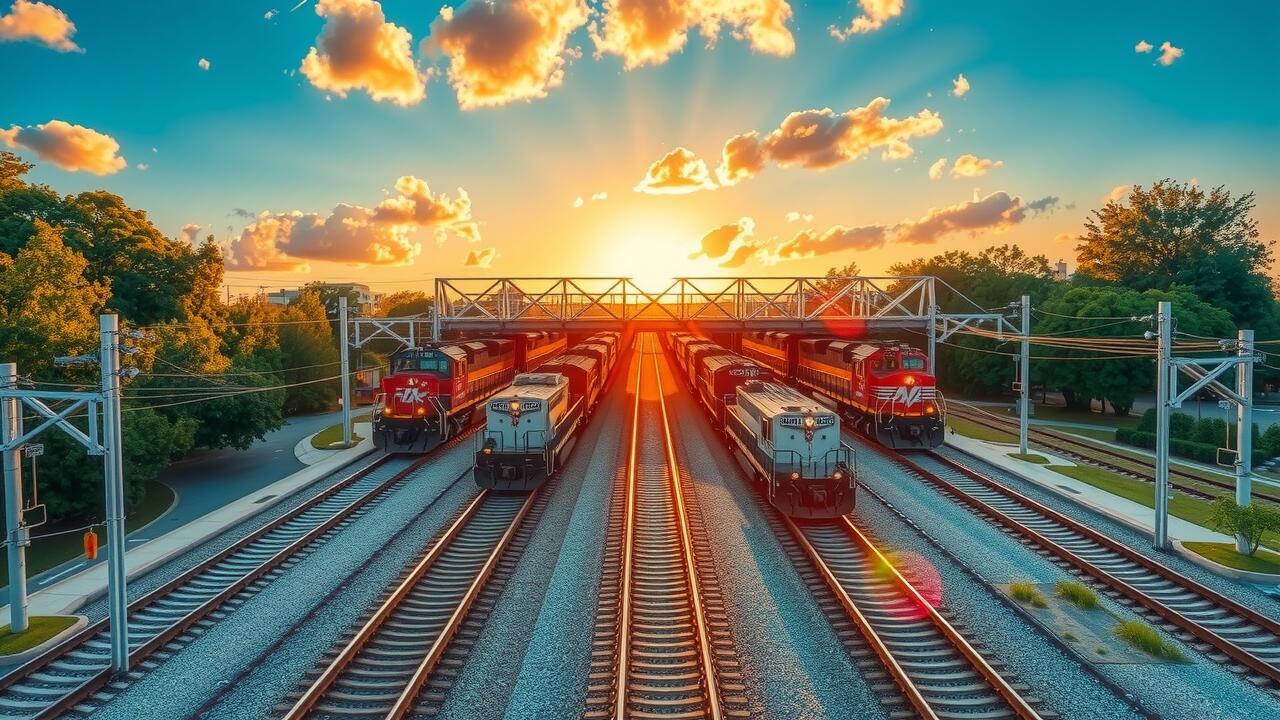
Challenges Faced
The Double Track Junction in Houston has encountered various operational hurdles that have affected its efficiency. Frequent congestion is one significant issue, primarily due to the increasing volume of train traffic. This congestion can lead to delays, impacting not only freight transport but also passenger services. Limited infrastructure capabilities further exacerbate the problem, as existing tracks and signaling systems struggle to accommodate the growing demand.
Safety concerns also pose a challenge within the junction area. The complex interactions between rail lines and nearby roadways create potential risks for both drivers and pedestrians. Enhanced safety measures are necessary to mitigate these risks and ensure the smooth functioning of the junction. Addressing these challenges requires coordinated efforts among local authorities, rail companies, and community stakeholders to create effective solutions.
Common Issues and Solutions
One of the prevalent issues at the Double Track Junction involves the management of train delays, which can disrupt not only transit schedules but also impact local traffic flow. Delays often arise from equipment malfunctions or congestion during peak travel times. Implementing real-time tracking systems for train movements could alleviate this problem, aiding commuters and ensuring smooth operations. Improved communication between train operators and local traffic management can further minimize disruptions caused by unexpected delays.
Another significant challenge is the condition of surrounding infrastructure. Aging signal systems and tracks often lead to safety concerns for both trains and vehicles. Investing in modern signaling technology and conducting regular maintenance checks can enhance safety measures. Collaborating with engineering firms to assess and upgrade the tracks will not only improve operational efficiency but also increase public confidence in rail reliability.
Future Developments
Enhancements are on the horizon for the Double Track Junction, focusing on improving both functionality and safety. Plans include the installation of advanced signaling systems to streamline train operations and reduce wait times. Additionally, a redesign of the junction layout aims to minimize congestion during peak hours. These upgrades will not only facilitate smoother transit for commuters but will also enhance freight efficiency throughout the region.
Community feedback plays a crucial role in the planning stages of these developments. Engagement sessions have been organized to gather input from local residents, ensuring their concerns and suggestions are heard. This dialogue fosters a collaborative environment where the community’s needs can be addressed as new projects unfold. The goal is to create a transportation hub that serves both transit needs and local interests effectively.
Planned Upgrades and Enhancements
Recent discussions in city planning meetings have highlighted the need for substantial upgrades to the Double Track Junction to improve traffic flow and safety. Proposed enhancements include the installation of modern signals and traffic management systems. These upgrades aim to optimize rail efficiency, reduce delays, and minimize interruptions to road users. Additionally, plans emphasize improving pedestrian pathways and incorporating signage that enhances navigational clarity.
Incorporating advanced technology is a key focus of the upcoming enhancements. The initiative anticipates installing digital displays that provide real-time information regarding train schedules. Enhanced lighting systems will also be introduced to boost visibility and safety, especially during nighttime operations. These improvements reflect a commitment to not only increase functionality but also create a more user-friendly environment for both rail commuters and local residents.
Community Engagement
Local residents play a crucial role in shaping the development of the Double Track Junction project. Their involvement ensures that the community’s needs and concerns are addressed throughout the process. Regular forums and public meetings allow residents to voice their opinions and share their ideas. Such engagement fosters a sense of ownership among community members, contributing to the overall success of the project.
Collaboration with neighborhood organizations can further enhance outreach efforts. Partnerships with local groups help to disseminate information and attract a wider audience to community events. Feedback gathered from these interactions can inform future decisions and prioritization of enhancements. By integrating local insights, planners can create a transportation hub that not only meets operational goals but also reflects the desires of the community it serves.
Involvement of Local Residents
Local residents play a crucial role in the planning and implementation of projects at the Double Track Junction. Their insights and experiences contribute valuable perspectives on the area’s needs and concerns. Engaging the community fosters a sense of ownership and responsibility among residents. This involvement helps ensure that developments align with the interests and priorities of those who live nearby.
Community meetings and outreach programs provide platforms for residents to voice their opinions and ideas. Such initiatives enable local stakeholders to collaborate with city officials and transportation planners. By facilitating open dialogue, these efforts aim to address potential issues while building trust. Active participation not only enhances the decision-making process but also strengthens the relationship between residents and the organizations involved in planning.
FAQS
What are the main challenges faced by Double Track Junction in Houston?
The main challenges include congestion, safety concerns, and infrastructural limitations that affect traffic flow and accessibility.
What common issues are associated with Double Track Junction, and what solutions have been proposed?
Common issues include delays due to train crossings and limited visibility for drivers. Proposed solutions involve improved signage, upgraded signaling systems, and potential re-routing of traffic.
What future developments are planned for Double Track Junction?
Planned developments include significant upgrades to existing infrastructure, enhancements to safety features, and better integration with surrounding transit systems.
What specific upgrades and enhancements are being considered for Double Track Junction?
Enhancements may include the installation of additional tracks, improved traffic management systems, and upgrades to pedestrian access routes to ensure safety and convenience.
How can local residents get involved in the planning and development of Double Track Junction?
Local residents can engage in community meetings, provide feedback through surveys, and participate in public forums to voice their opinions and contribute to the planning process.
Double Track Junction, Houston
Services Provided by One Stop Carpet Cleaning Houston TX in the Double Track Junction, Houston area:
Carpet Spot Cleaning
Carpet Repair and Re-stretching
Carpet Protection
Chimney cleaning
Upholstery cleaning
Carpet Deodorizing
Carpet Stain Removal
Carpet Steam Cleaning
Fire damage restoration service
Carpet Sanitizing
Carpet Vacuuming
Air duct cleaning service
Gutter cleaning service
Carpet Shampooing
Carpet Odor Removal
Dryer vent cleaning service
Carpet Mold Removal
Water damage restoration service
Carpet Pet Stain Removal
Commercial carpet cleaning
Rug cleaning