Table Of Contents
DIY Chimney Inspection Tips
Regularly inspecting your chimney is an essential part of maintaining its safety and efficiency. Homeowners should look for signs of soot buildup or creosote, which can indicate the need for chimney cleaning. Use a flashlight to check the interior for any blockages, animal nests, or debris that may have accumulated over time. A visual inspection from the roofline can also help identify any cracks or damage to the chimney structure itself.
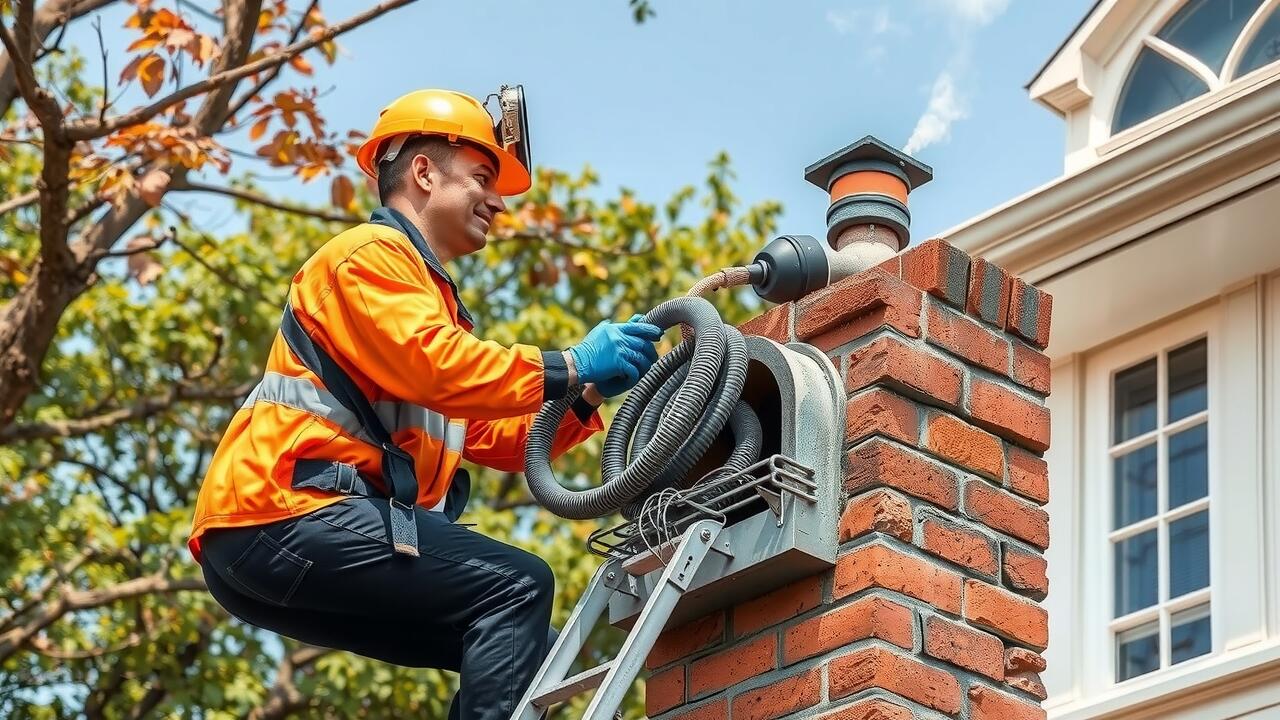
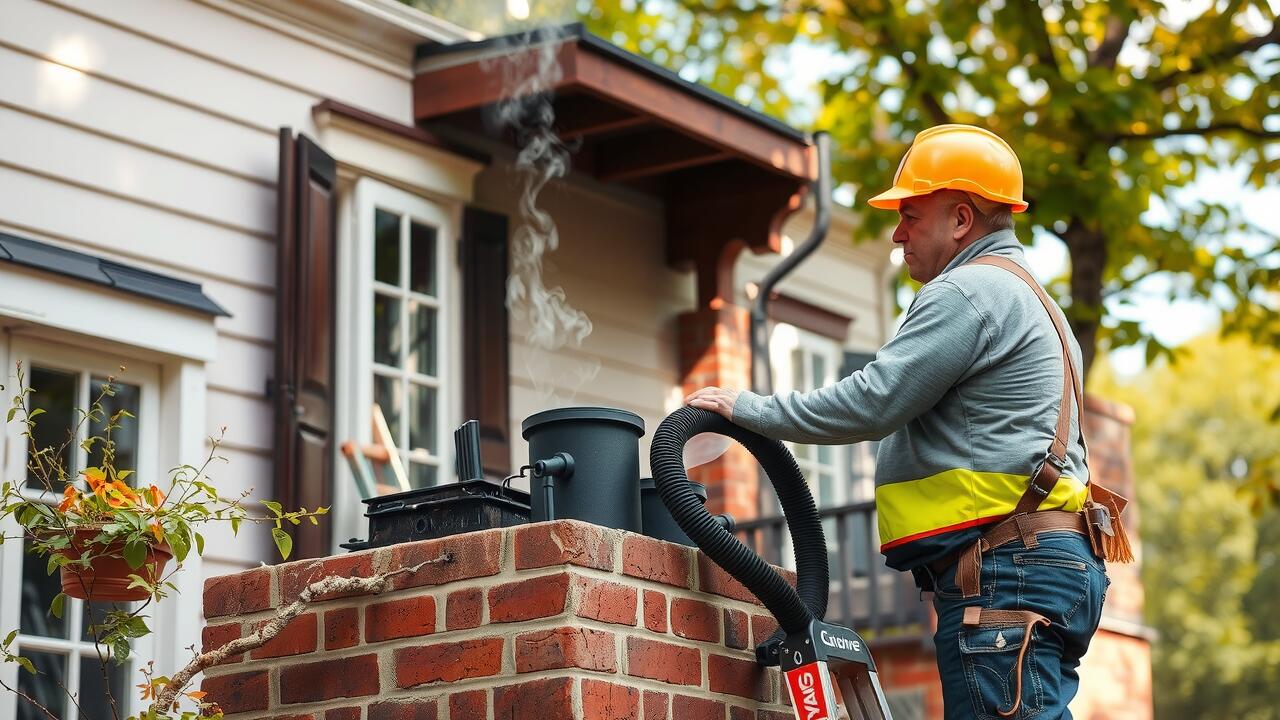
In addition to visual inspections, homeowners can invest in a few basic tools to assist in the process. A chimney brush, which comes in various sizes, is crucial for clearing out soot and buildup. A vacuum designed for use with fireplaces will help contain debris during the cleaning process. Wearing safety gear, like gloves and goggles, ensures protection while inspecting and maintaining the chimney. Regular chimney cleaning not only enhances safety but also improves the fireplace’s efficiency.
Tools and Techniques for Homeowners
Homeowners looking to tackle chimney cleaning themselves will need a few essential tools to ensure the job is done effectively. A chimney brush, sized appropriately for the flue, is vital for removing built-up soot and creosote. Adding a sturdy extension pole allows access to higher areas without the need for a ladder. Other useful tools include a vacuum to catch debris, safety goggles to protect eyes during cleaning, and a tarp to protect the surrounding area from soot and dirt.
In addition to tools, employing proper techniques can make the chimney cleaning process more efficient. Start by inspecting the exterior and interior of the chimney for any visible cracks or blockages. Using a downward sweeping motion with the brush helps to dislodge creosote and soot effectively. Regularly checking for loose debris and ensuring that the smoke shelf is clear can enhance both safety and chimney performance. Following these techniques will promote a cleaner and safer environment for using fireplaces and wood stoves.
The Dangers of Neglecting Chimney Cleaning
Neglecting chimney cleaning poses serious risks to both safety and property. Creosote buildup occurs when wood is burned, leading to a highly flammable substance lining the flue. This buildup can ignite, causing chimney fires that may spread to the home, resulting in significant damage and endangering lives. Regular maintenance can prevent these dangerous situations by ensuring that the chimney remains free of obstructions and flammable materials.
Another danger of skipping chimney cleaning is carbon monoxide exposure. Blockages caused by soot, debris, or animal nests can prevent proper ventilation. This can lead to harmful gases seeping back into the living space, creating a potentially lethal environment. Homeowners must prioritize proper chimney maintenance and cleaning to safeguard their health and protect their investments.
Risks to Safety and Property
Neglecting chimney cleaning can lead to serious hazards for both safety and property. One of the most significant risks is the buildup of creosote, a highly flammable substance that accumulates inside the chimney as a byproduct of burning wood. If left unaddressed, this residue can ignite and result in a dangerous chimney fire. Such incidents not only threaten the structural integrity of a home but also endanger the lives of its occupants.
Additionally, a dirty or obstructed chimney impedes proper ventilation. This can cause smoke and harmful gases, such as carbon monoxide, to seep back into the living spaces. Poor air quality poses health risks for residents and can lead to severe illnesses if exposure occurs over time. Regular chimney cleaning is essential to maintaining efficient airflow and ensuring the safety of all individuals within the home.
Seasonal Considerations for Chimney Cleaning
Seasonal changes significantly affect chimney maintenance. During the colder months, heating systems and fireplaces are used more frequently, leading to a higher accumulation of creosote and soot. Regular chimney cleaning becomes essential to ensure safe operation and prevent chimney fires. Scheduling this service before the onset of winter allows homeowners to enjoy warmth without the worry of potential hazards caused by a neglected chimney.
Spring and fall are ideal times for chimney cleaning and inspections. During these seasons, homeowners can assess any damage incurred during winter weather and prepare for the usage that comes with colder temperatures. This proactive approach can help identify issues early, ensuring that the chimney remains in good condition year-round. Having a clean chimney also enhances the efficiency of heating appliances, making it a worthwhile investment in home maintenance.
Best Times of Year for Maintenance
The best times of year for chimney cleaning typically align with the changing seasons. Late summer or early fall is an ideal window to schedule maintenance before the winter months set in. During this period, homeowners can ensure their chimneys are clear of any debris or buildup from the previous heating season. Getting a head start helps prevent any potential issues before the first fires of winter.
Spring is another opportunistic time for chimney cleaning. After a winter of usage, creosote and soot can accumulate significantly, making a professional inspection essential. Cleaning in the spring allows for assessment and necessary repairs during the warmer months, ensuring that the chimney is ready for the next heating season. By timing these cleanings appropriately, homeowners can maintain efficiency and safety for their heating systems.
FAQS
How often should I have my chimney cleaned?
It’s generally recommended to have your chimney cleaned at least once a year, especially if you use your fireplace regularly.
What are the signs that my chimney needs cleaning?
Signs that your chimney may need cleaning include a noticeable buildup of soot, a strong odor from the fireplace, or smoke backing up into your home when the fireplace is in use.
Can I clean my chimney myself?
While some homeowners may choose to inspect and clean their chimneys themselves using proper tools and techniques, it is often safer and more effective to hire a professional chimney sweep.
What can happen if I neglect my chimney cleaning?
Neglecting to clean your chimney can lead to dangerous chimney fires, carbon monoxide buildup, and other safety hazards that could endanger your home and family.
Are there specific times of year that are better for chimney cleaning?
The best times for chimney cleaning are typically before the heating season begins in the fall and after the season ends in the spring to ensure your chimney is in good condition for future use.