Table Of Contents
Impact on Safety Standards
The 3:2-10 rule for chimneys significantly impacts safety standards by ensuring proper venting of combustion gases. This rule establishes guidelines that minimize the risk of backdrafts, which can lead to dangerous situations such as carbon monoxide buildup in living spaces. Adhering to this rule helps maintain an efficient airflow, decreasing the likelihood of fire hazards caused by improper chimney height or positioning.
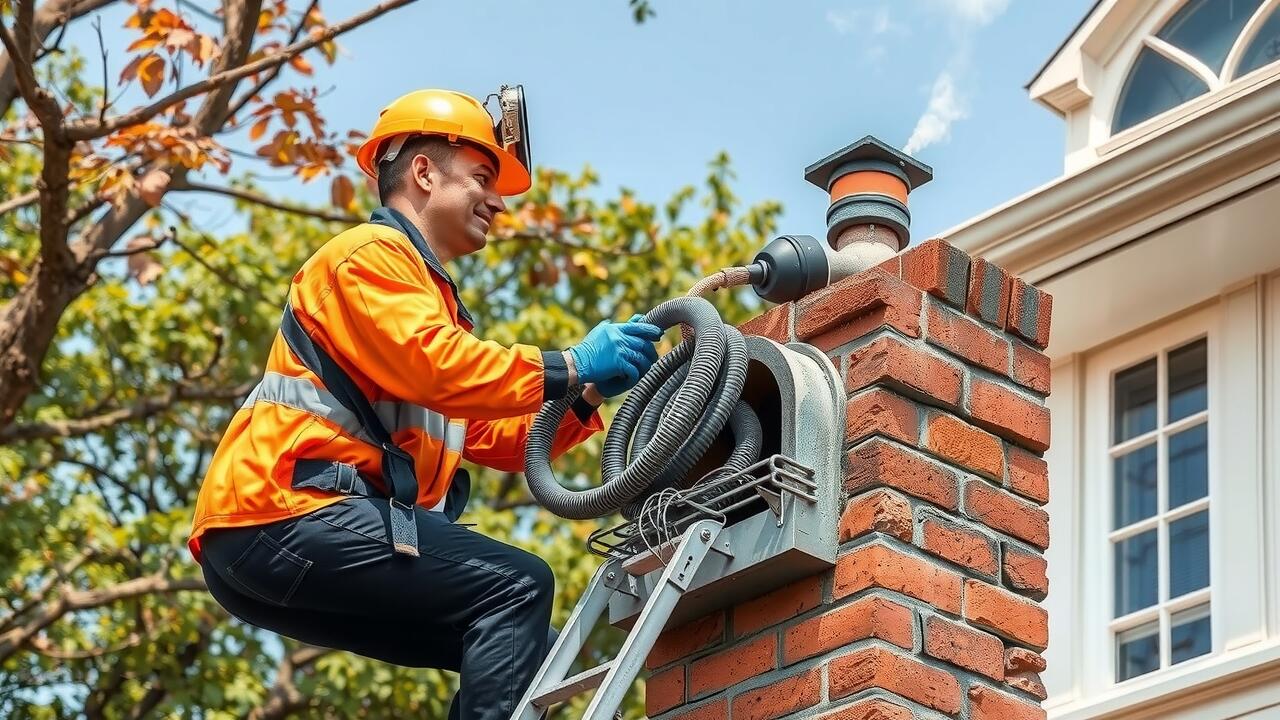
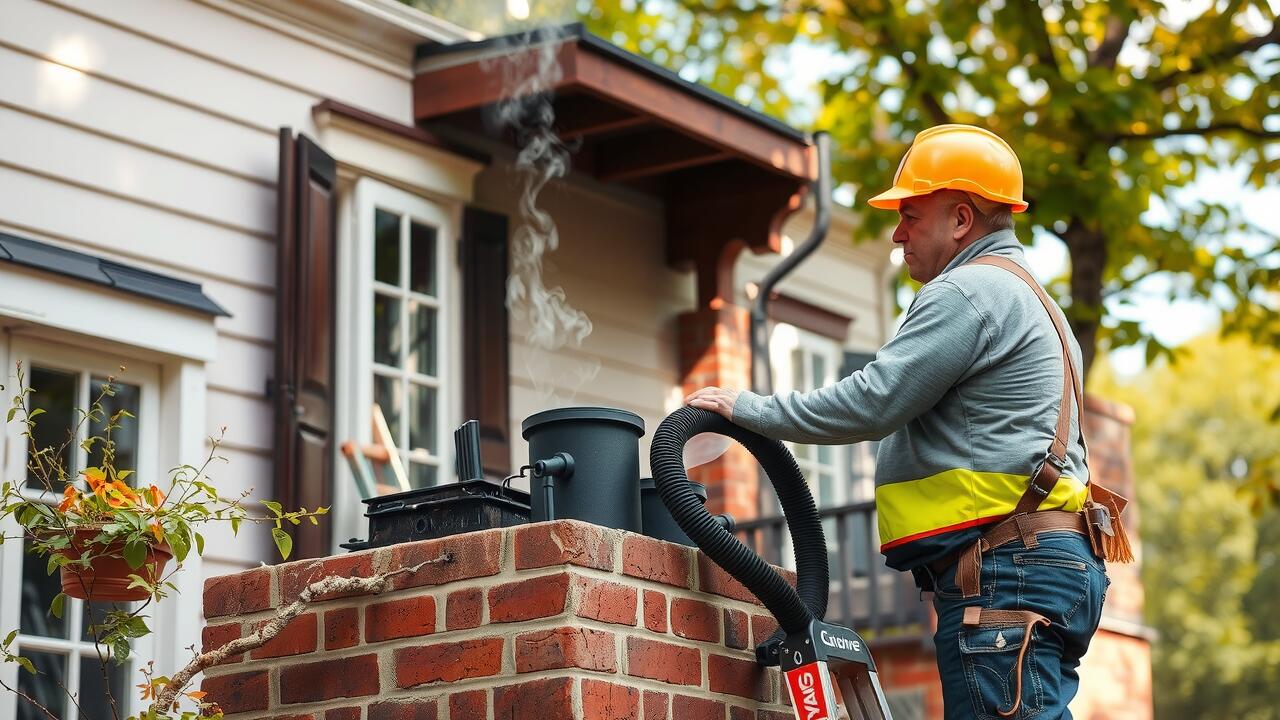
For homeowners, following the 3:2-10 rule reinforces the importance of regular maintenance, including chimney inspections and cleaning. A simple search for “chimney cleaning near me” can connect individuals with professionals who can ensure compliance with safety standards. Regular cleaning not only helps keep the chimney functioning optimally but also enhances safety by preventing creosote buildup, which contributes to chimney fires.
Preventing Hazardous Conditions
Properly adhering to the 3:2-10 rule is crucial for preventing hazardous conditions related to chimney function. This guideline recommends maintaining specific height and distance requirements to ensure that smoke and gases are safely vented away from homes. When chimneys are installed too low or lack adequate separation from nearby structures, the risk of dangerous backdrafts increases. Such backdrafts can lead to the accumulation of harmful gases like carbon monoxide within living spaces, posing serious health hazards to occupants.
Routine maintenance, including regular inspections and cleaning, plays an essential role in minimizing these risks. Homeowners should prioritize services like “chimney cleaning near me” to remove built-up creosote, which can ignite and cause chimney fires. Ensuring that the chimney is clear of obstructions not only promotes efficient airflow but also helps to maintain compliance with safety standards. These proactive measures contribute to the overall safety of the home and the well-being of its residents.
Compliance with Building Codes
Building codes serve as essential guidelines for ensuring the safety and functionality of chimneys. Compliance with these codes often requires adherence to specific measurements related to chimney height, distance from rooflines, and the materials used in construction. Inspecting local regulations is critical, as variations can exist from one jurisdiction to another. Homeowners should familiarize themselves with the requirements to avoid potential fines and safety hazards.
Regular maintenance is vital for compliance with building codes concerning chimney health. Engaging in services like “chimney cleaning near me” provides an opportunity to ensure that the structure meets necessary standards. This practice not only enhances safety in the home but also prolongs the lifespan of the chimney system. Homeowners should prioritize maintaining an open line of communication with local inspectors to ensure all regulations are consistently met.
Navigating Local Regulations
When navigating local regulations, homeowners must familiarize themselves with specific codes related to chimney construction and maintenance. Each locality may have its own set of requirements concerning chimney height, materials, and clearance from combustible structures. Compliance ensures not only adherence to the law but also the safety of the residence and its occupants. Consulting local building codes can save property owners from potential fines and other penalties associated with non-compliance.
In addition to understanding construction requirements, regular maintenance is critical for chimney safety. Homeowners should consider services such as “chimney cleaning near me” to maintain a functional and safe chimney system. Regular inspections by certified professionals can help identify issues early, prevent expensive repairs, and ensure that the chimney operates efficiently. Locating reliable cleaning services is essential for aligning with both safety practices and local regulations.
Troubleshooting Common Issues
When homeowners encounter issues with their chimneys, identifying the root of the problem is crucial. Common signs include smoke entering the home, unusual odors, or visible soot buildup. These indicators can often point to blockages or improper height measurements. In such cases, conducting regular inspections can help catch problems early. Homeowners may benefit from searching for “chimney cleaning near me” to find local services that can assist in maintaining and troubleshooting their systems.
Another prevalent issue relates to the height of the chimney itself. If a chimney does not conform to the 3:2-10 rule, it can lead to draft problems, allowing smoke and gases to enter the living space. Homeowners should also evaluate the surrounding structures for potential obstructions that may hinder proper draft. Consulting with professionals who understand local regulations and best practices can help ensure that the chimney meets the necessary safety standards, reducing the likelihood of hazardous conditions.
Identifying Problems with Chimney Height
Chimney height plays a critical role in ensuring safe and efficient operation. If a chimney is too short, it can lead to inadequate draft, causing smoke and harmful gases to enter the home instead of being properly vented outside. Homeowners may notice a smoky smell or see soot buildup around the fireplace. Identifying these issues early can prevent dangerous situations and improve indoor air quality.
Regular inspections can help pinpoint problems related to chimney height. A professional chimney service can evaluate whether the current structure meets safety standards. When searching for assistance, terms like “chimney cleaning near me” can yield local experts who can thoroughly assess the height and functionality of your chimney. Addressing any height-related issues promptly can safeguard your home from the risks of carbon monoxide poisoning and fire hazards.
FAQS
What is the 3:2-10 rule for chimneys?
The 3:2-10 rule is a guideline for chimney height that aims to ensure safe and effective venting of gas or smoke. It states that the top of the chimney should be at least 3 feet above the roof surface, 2 feet higher than any part of the roof within 10 feet, and positioned to avoid obstruction for optimal draft.
Why is the 3:2-10 rule important for safety?
The 3:2-10 rule is crucial for safety as it helps prevent hazardous conditions, such as smoke or carbon monoxide entering living spaces. Proper chimney height ensures effective ventilation and reduces the risk of chimney fires and other related hazards.
How do I ensure my chimney complies with the 3:2-10 rule?
To ensure compliance, measure the height of your chimney in relation to the roof and surrounding structures. If it does not meet the 3:2-10 criteria, consider consulting a professional to make necessary adjustments or modifications.
Are there local regulations that might affect the 3:2-10 rule?
Yes, local building codes may have specific regulations regarding chimney height and design that could differ from the 3:2-10 rule. It is essential to check with local authorities or a licensed contractor to ensure compliance with all applicable regulations.
What should I do if my chimney height doesn’t meet the 3:2-10 rule?
If your chimney height does not meet the 3:2-10 rule, you should consult with a certified chimney professional or contractor. They can assess the situation and recommend solutions, such as raising the chimney or modifying the roof structure to ensure safety and compliance.