Table Of Contents
The Role of Restoration Companies
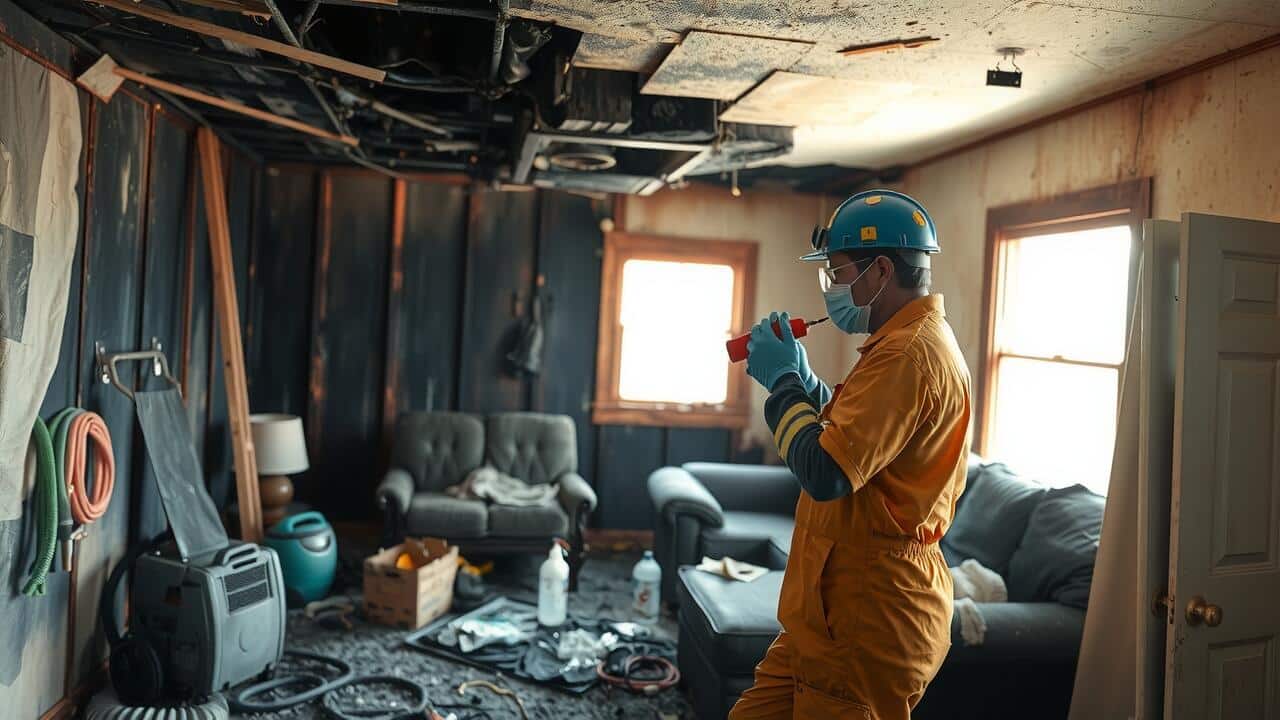
Restoration companies play a crucial role in addressing the aftermath of fire incidents. Their expertise allows them to assess the extent of damage and implement effective strategies for recovery. Technicians are trained to handle various materials impacted by fire while employing techniques that prioritize safety and efficiency. Utilizing their skills can significantly reduce the stress associated with the recovery process for homeowners and businesses alike.
Fire damage restoration service in most areas includes a thorough evaluation of the property, removal of damaged materials, and restoration efforts to return the space to its original condition. These companies often bring specialized equipment and trained personnel to ensure every aspect of the restoration process is managed properly. Their involvement not only speeds up recovery but also helps in preventing future issues related to moisture, smoke, or structural instability.
Professional vs. DIY Approaches
Professional fire damage restoration services in various locations provide high-quality support that many homeowners may need after an incident. Trained technicians have the expertise to assess the extent of the damage and determine the best restoration methods. Their access to advanced equipment ensures a thorough cleaning and deodorizing process, which is often necessary after a fire. Homeowners benefit from the peace of mind that comes with knowing professionals are handling the situation.
In contrast, some property owners might consider a DIY approach to save costs. While this can seem appealing, it often leads to more problems down the line. Without proper knowledge and tools, homeowners may overlook hidden damages or improperly handle hazardous materials like smoke residue. Ultimately, relying on a qualified fire damage restoration service in the area can yield better long-term results and reduce the risk of unresolved issues.
Importance of Timely Restoration
Timely restoration after a fire is crucial to minimize damage and cost. The longer the affected area remains untreated, the more extensive the damage can become. Fire and smoke leave behind residues that can lead to corrosion and deterioration of materials. Mold can also begin to develop in damp, affected spots, adding another layer of complication to the restoration process. Engaging a fire damage restoration service in a prompt manner allows for a more efficient and effective recovery.
Another critical aspect of acting quickly is the impact on insurance claims. Many insurance providers require policyholders to take immediate action to prevent further loss. Delays in restoration can complicate claims, potentially leading to reduced compensation. Fire damage restoration service in a swift manner ensures compliance with insurance requirements and helps secure the best possible outcome for the affected homeowner.
Preventing Further Damage
Preventing further damage after a fire incident is crucial for minimizing costs and ensuring a safe environment. Delaying restoration can lead to worsened conditions such as mold growth and structural weakening. Prompt action allows for the assessment of damages so that necessary repairs can begin quickly. Effective restoration helps secure the property, reducing the risk of complications that may arise from lingering effects of smoke and soot.
Engaging a fire damage restoration service in your area can significantly expedite the recovery process. Professionals utilize advanced techniques and equipment to address immediate concerns, preventing additional deterioration. Their expertise not only facilitates thorough cleaning but also ensures that safety standards are met. This proactive approach is essential in preserving the integrity of the property and protecting the occupants from potential hazards.
Equipment Used in Fire Damage Restoration
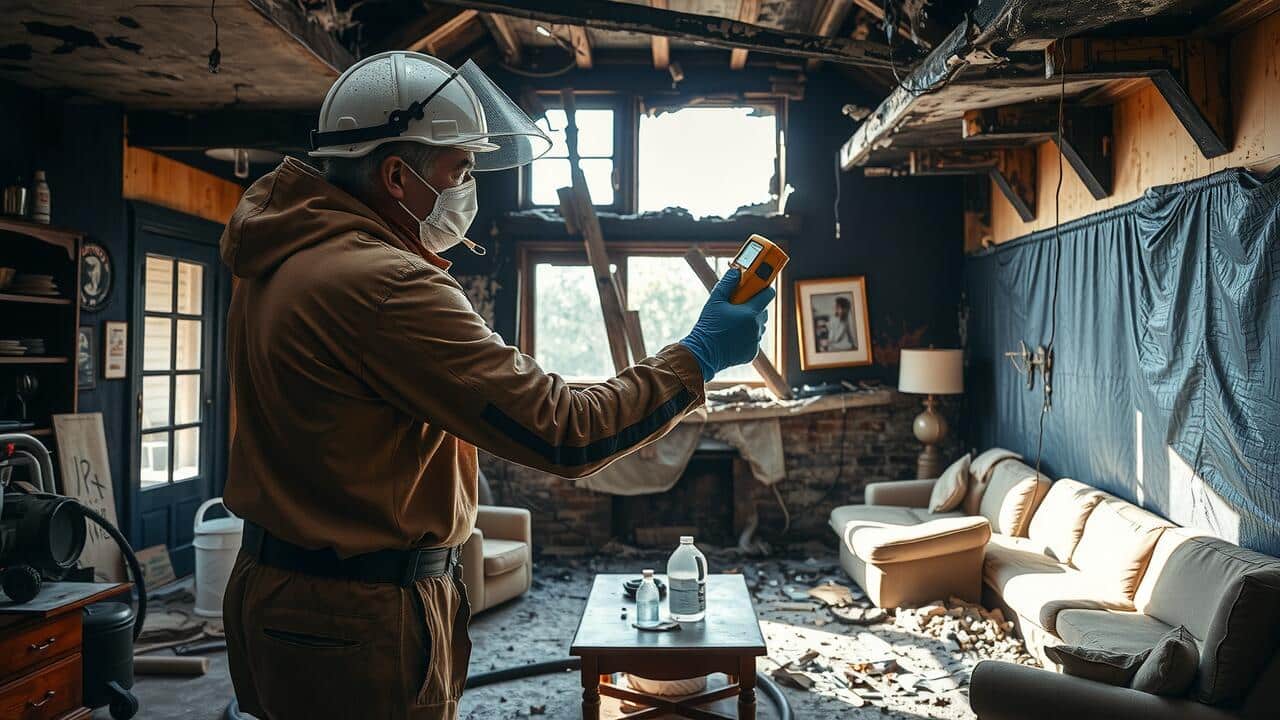
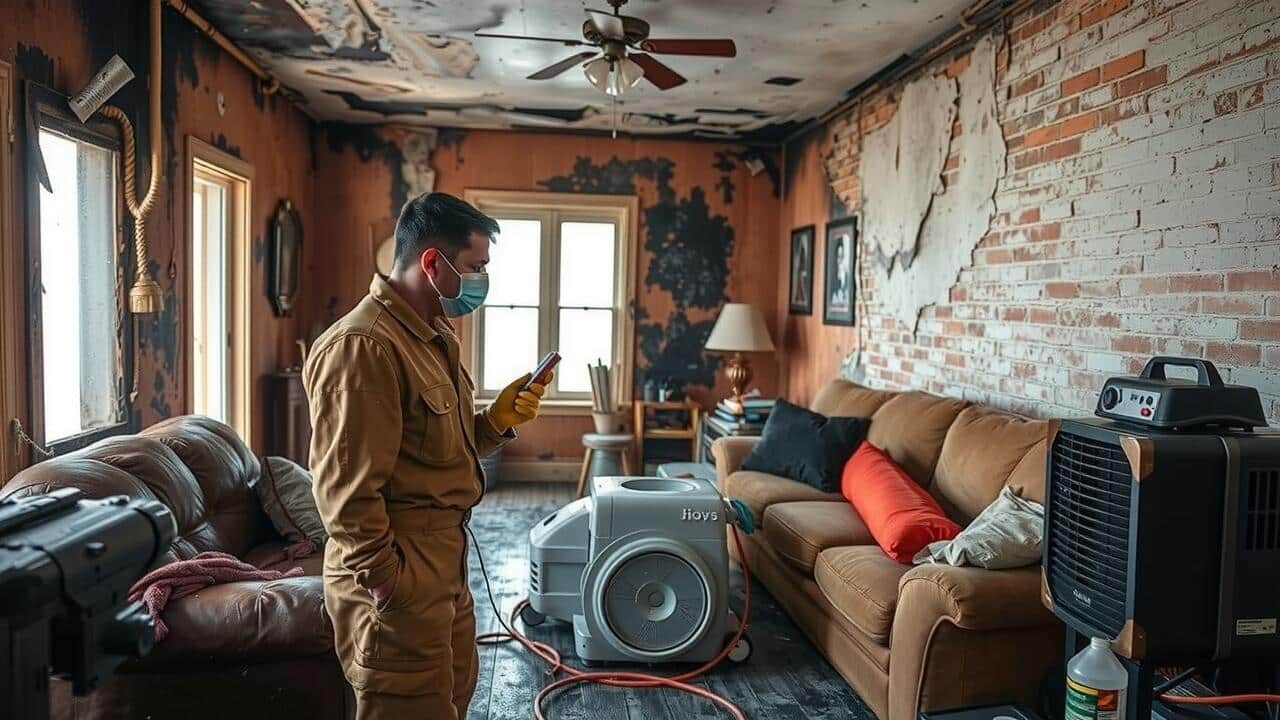
Fire damage restoration service in residential and commercial settings employs advanced equipment to ensure thorough and effective recovery. High-powered water extractors remove standing water, while industrial dehumidifiers help mitigate moisture levels in the air and structure. These tools are essential for preventing mold growth and minimizing damage from lingering moisture. Additionally, thermal imaging cameras allow specialists to identify hidden pockets of heat and assess damage not visible to the naked eye.
In conjunction with these tools, specialized smoke damage cleaning systems are used to neutralize odors and cleanse surfaces. Air scrubbers with HEPA filters effectively capture soot and smoke particles that linger in the environment. The restoration process also often incorporates ozone generators or thermal foggers, which are effective for eliminating stubborn odors. Utilizing this combination of advanced technology ensures that properties can be restored to their pre-loss condition in an efficient manner.
Specialized Tools and Techniques
Specialized tools and techniques play a crucial role in the effective restoration of properties affected by fire. Restoration professionals utilize advanced equipment such as thermal cameras and moisture meters to identify hidden damage that may not be visible to the naked eye. These tools facilitate thorough assessments and ensure that all areas requiring attention are adequately addressed. The use of state-of-the-art air scrubbers and ozone generators helps eliminate smoke odors and toxic particles from the air, significantly improving indoor air quality.
Fire damage restoration service in residential and commercial properties often involves specific methodologies tailored to the extent of the damage. Techniques include controlled demolition to remove severely damaged materials and specialized cleaning methods to salvage items like furniture and textiles. Restoration experts are trained in applying solutions that neutralize residues left by soot and smoke. Employing these tools and techniques allows for a comprehensive restoration process, ensuring that properties are returned to their pre-loss condition while minimizing future complications.
FAQS
What factors influence the cost of fire damage restoration?
The cost of fire damage restoration can be influenced by several factors, including the extent of the damage, the type of materials affected, the size of the affected area, and the urgency of the restoration needed.
Is it more cost-effective to hire a professional restoration company or to attempt DIY restoration?
While DIY restoration may seem less expensive initially, it can lead to higher costs if mistakes are made or if further damage occurs. Hiring a professional restoration company ensures that the job is done correctly and safely, often saving money in the long run.
How quickly should I contact a restoration company after a fire?
It is essential to contact a restoration company as soon as possible after a fire. Timely restoration helps prevent further damage, reduces overall costs, and increases the likelihood of salvaging belongings.
Are there any hidden costs associated with fire damage restoration?
Yes, hidden costs can arise during fire damage restoration, such as additional repairs, debris removal, or the need for specialized equipment. It’s best to discuss potential costs upfront with your restoration company.
Will my insurance cover the costs of fire damage restoration?
Many homeowners’ insurance policies do cover fire damage restoration, but coverage can vary significantly. It’s important to check your policy and consult with your insurance agent to understand what is covered and what is not.