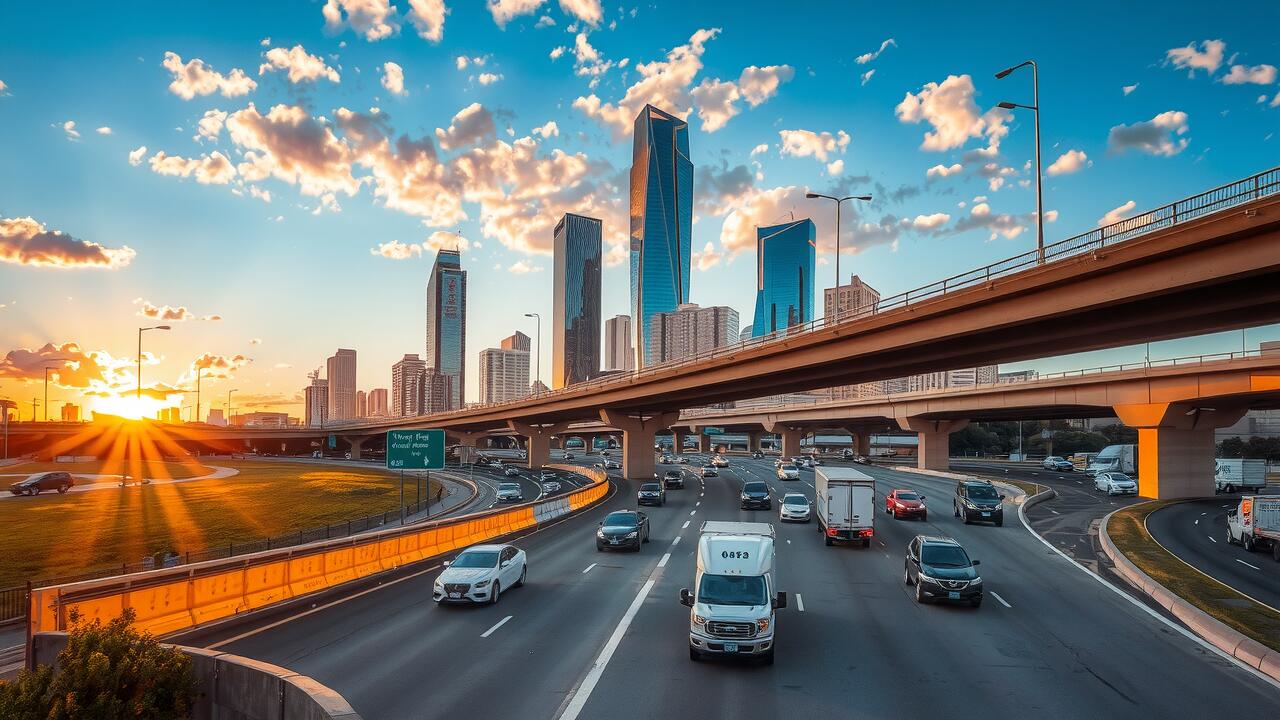
Economic Impact of Interstate Junctions
Interstate junctions serve as crucial links that facilitate the movement of goods and services across regions. They significantly reduce travel times for commercial vehicles, ultimately enhancing supply chain efficiency. Local economies often experience a surge in growth as businesses capitalize on increased accessibility. This connectivity fosters a competitive environment, encouraging both established companies and startups to thrive.
Moreover, the presence of an interstate junction can lead to the establishment of various support services, such as restaurants, hotels, and gas stations. These establishments not only provide convenience for travelers but also create job opportunities for residents. As traffic patterns evolve with the development of these junctions, communities can expect an uptick in tourism and commerce, reinforcing the economic landscape of the area.
Boosting Local Businesses and Trade
The presence of interstate junctions plays a crucial role in fostering economic growth for local businesses. With easy access to transportation routes, companies benefit from increased visibility and foot traffic. Warehouses, retail outlets, and restaurants strategically positioned near these junctions often experience higher customer engagement. The ability to transport goods efficiently allows businesses to expand their markets, contributing to higher sales volumes.
Moreover, junctions can serve as vital hubs for trade and commerce, linking regions and facilitating supply chain operations. Local economies thrive as businesses engage in partnerships and foster regional collaboration. Increased activity from travelers can lead to a rise in demand for services such as hotels, restaurants, and gas stations. This surge creates job opportunities and supports the overall economic vitality of communities surrounding the interstate networks.
Safety Measures and Regulations
To ensure the safety of both drivers and pedestrians, numerous regulations have been implemented at interstate junctions across Houston. These regulations include speed limits, signage, and traffic signals designed to guide vehicles safely through junctions. Enhanced lighting and properly marked crosswalks contribute to visibility during high-traffic times, especially at night. Regular inspections and maintenance of these facilities help identify potential hazards that could compromise safety.
In addition to infrastructure improvements, public awareness campaigns play a significant role in promoting safe driving behaviors. Educational initiatives target various demographics, including young drivers and local residents, emphasizing the importance of adhering to traffic laws. Collaboration between local law enforcement and community organizations reinforces the message of safety while fostering a culture of compliance among commuters.
Enhancing Driver and Pedestrian Safety
The safety of drivers and pedestrians around interstate junctions is paramount for urban planning in Houston. Strides have been made to enhance infrastructure, including improved lighting and clearer signaling. Crosswalks have been strategically placed to provide safe passage for pedestrians amid the hustle of traffic. Additionally, dedicated bike lanes encourage cycling while maintaining separation from vehicular traffic.
Innovative technologies also play a crucial role in safety enhancements. Smart traffic signals adapt to real-time conditions, allowing for smoother traffic flow and reducing congestion. Surveillance cameras help monitor areas prone to accidents, enabling quicker emergency responses. Community programs aim to educate both drivers and pedestrians about safe practices, fostering a culture of awareness and responsibility.
Future Developments and Projects
Significant investments are being directed toward renovating the existing infrastructure at major interstate junctions in Houston. Planners aim to incorporate smarter traffic management systems while considering further expansions to accommodate increasing vehicle volumes. The initiative includes enhancing access points and implementing advanced signage to better direct traffic flow. Community input is being sought to ensure these developments meet the needs of residents and travelers alike.
In addition to infrastructure upgrades, future projects are focused on sustainability and environmental considerations. The integration of green spaces and noise barriers is part of the vision to improve the area physically and aesthetically. Plans are also underway to promote public transportation options that connect with these junctions, reducing congestion and encouraging eco-friendly travel alternatives. These enhancements will ultimately contribute to a more efficient, safer, and environmentally conscious transportation network.
Upcoming Junction Improvements
Local government officials have outlined several projects aimed at enhancing the functionality and accessibility of major junctions throughout Houston. Improvements include widening existing roadways to alleviate congestion during peak hours. Additionally, the addition of dedicated lanes for public transit is planned to encourage the use of buses and reduce the number of vehicles on the road. Lighting upgrades will also be implemented to enhance nighttime visibility.
Residents can expect the introduction of intelligent traffic management systems. These systems will utilize real-time data to optimize traffic flow and reduce wait times at intersections. Sidewalk expansions and bike lanes are also part of the proposed upgrades, promoting safer routes for pedestrians and cyclists. Overall, these enhancements are expected to create a more efficient transportation network and improve the overall experience for drivers and non-motorized users alike.
FAQS
What is an interstate junction?
An interstate junction is a point where two or more interstate highways meet, allowing for the transfer of traffic between routes and improving connectivity within regions.
How do interstate junctions boost local businesses?
Interstate junctions enhance visibility and accessibility for local businesses, leading to increased customer traffic and trade opportunities as travelers are more likely to stop at nearby establishments.
What safety measures are implemented at interstate junctions?
Safety measures at interstate junctions typically include well-marked signage, traffic signals, improved road design, pedestrian crossings, and regular maintenance to prevent accidents and improve overall safety for both drivers and pedestrians.
What future developments are planned for interstate junctions in Houston?
Future developments may include infrastructure improvements, expansion projects, and advanced traffic management systems aimed at enhancing traffic flow, reducing congestion, and increasing safety at key junctions.
How can I stay updated on changes regarding interstate junctions in Houston?
You can stay updated by following local news outlets, checking the Texas Department of Transportation website, and subscribing to community newsletters that provide information on transportation developments and projects.
Interstate Junction, Houston
Services Provided by One Stop Carpet Cleaning Houston TX in the Interstate Junction, Houston area:
Carpet Spot Cleaning
Carpet Repair and Re-stretching
Carpet Protection
Chimney cleaning
Upholstery cleaning
Carpet Deodorizing
Carpet Stain Removal
Carpet Steam Cleaning
Fire damage restoration service
Carpet Sanitizing
Carpet Vacuuming
Air duct cleaning service
Gutter cleaning service
Carpet Shampooing
Carpet Odor Removal
Dryer vent cleaning service
Carpet Mold Removal
Water damage restoration service
Carpet Pet Stain Removal
Commercial carpet cleaning
Rug cleaning