Table Of Contents
The Impact of Allergens on Vacuuming Frequency
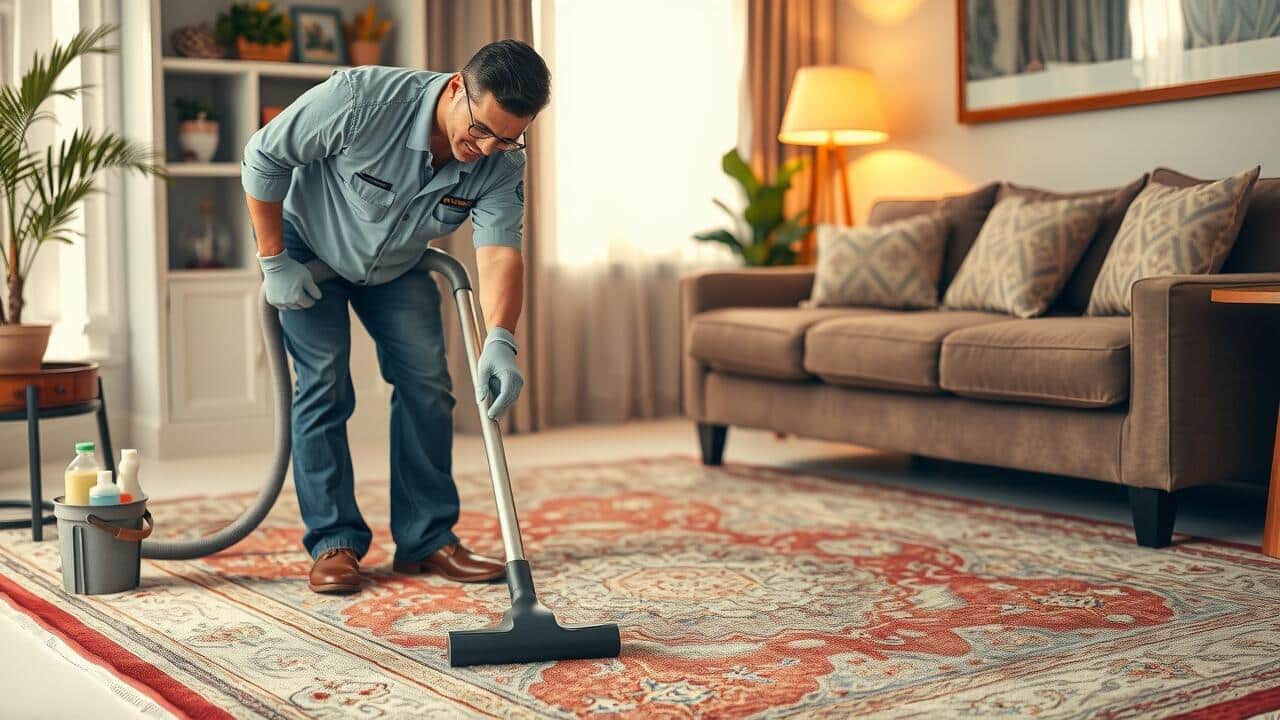
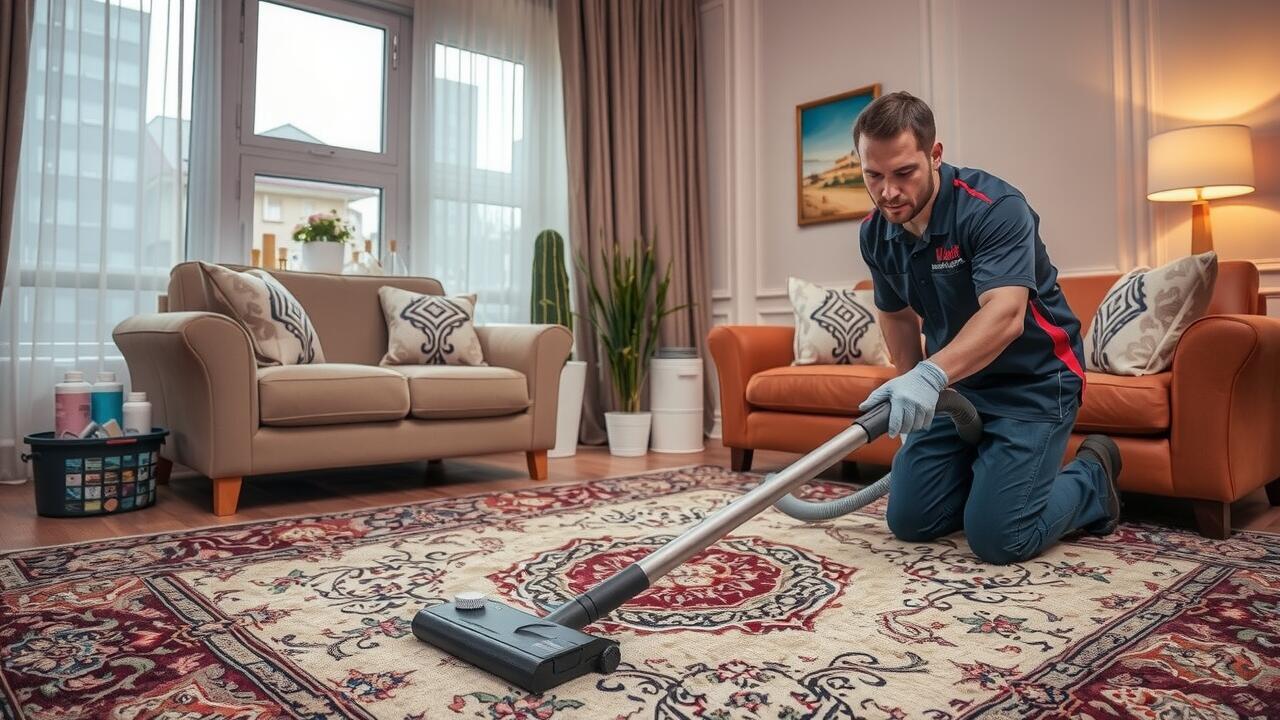
Carpet vacuuming plays a crucial role in minimizing allergens that can accumulate in indoor environments. Dust mites, pet dander, pollen, and other microscopic particles often find refuge in carpets, leading to respiratory issues and other health concerns. Regular vacuuming helps reduce these allergens significantly, creating a healthier living space. The frequency of carpet vacuuming can depend on various factors, including the presence of pets, the level of foot traffic, and individual sensitivities to allergens.
For households with allergy sufferers or pets, more frequent carpet vacuuming is advisable. Vacuuming at least once a week becomes essential in such cases to maintain air quality and overall cleanliness. A deeper clean may be required every few months. In homes with minimal traffic and no pets, less frequent vacuuming may suffice; however, staying attentive to changes in air quality or allergy symptoms can guide adjustments to your vacuuming routine.
Reducing Dust and Allergens in Your Home
Carpet vacuuming plays a crucial role in minimizing dust and allergens in your living space. Regularly removing dirt and particulate matter can significantly enhance the air quality in your home. This is especially important for individuals who suffer from allergies or respiratory issues. Particles such as dust mites, pollen, and pet dander can accumulate in carpet fibers, creating an unhealthy environment. A consistent vacuuming schedule helps to mitigate these health concerns, making it essential for maintaining a clean and safe home.
In addition to routine carpet vacuuming, employing effective techniques further reduces allergens. Utilizing a vacuum cleaner equipped with a HEPA filter can capture smaller particles that standard vacuums may miss. Vacuuming high-traffic areas more frequently is also recommended, as these spots tend to gather more dirt and allergens. Incorporating these best practices into your cleaning routine can lead to a more comfortable living space, reducing the potential for allergy flare-ups and enhancing overall indoor air quality.
Types of Carpets and Their Vacuuming Needs
Different types of carpets have varying needs regarding maintenance and vacuuming frequency. For example, plush carpets tend to trap more dirt and pet hair due to their dense fibers. This may necessitate more frequent carpet vacuuming to keep the fibers clean and retain the carpet’s aesthetics. On the other hand, low-pile carpets are easier to maintain and typically require less frequent vacuuming, making them a popular choice for high-traffic areas.
Understanding the specific materials and construction of the carpet can guide homeowners in their vacuuming routines. Natural fibers, like wool, may need special care and less aggressive vacuuming, while synthetic fibers, like nylon, can usually withstand more frequent carpet vacuuming without excessive wear. Regularly assessing the condition of your carpet will help determine the optimal vacuuming schedule tailored to your home’s specific flooring needs.
Best Practices Based on Carpet Materials
Different carpet materials require specific care to ensure their longevity and appearance. For example, looped pile carpets, like berber, can trap dirt and necessitate more frequent carpet vacuuming to prevent matting. On the other hand, plush carpets may show footprints more easily and can often benefit from regular vacuum maintenance to keep their fibers upright and looking fresh. Identifying your carpet type and its unique cleaning needs can greatly influence your vacuuming routine.
When it comes to synthetic materials, such as nylon or polyester, carpet vacuuming should occur at least once a week. These materials tend to resist stains and hold up well to frequent cleaning. Natural fibers, including wool or silk, require gentler care to avoid damage. Vacuuming these materials less frequently is wise, while utilizing a vacuum with adjustable settings can help protect delicate fibers from wear. Understanding these nuances will contribute to maintaining your carpets in the best possible condition.
Choosing the Right Vacuum for Your Carpet
Selecting the right vacuum for carpet vacuuming is crucial to maintaining the appearance and longevity of your carpets. Different carpet types have varying requirements, and an appropriate vacuum ensures effective cleaning without causing any damage. For plush carpets, a vacuum with adjustable height settings is beneficial. This feature allows for optimal suction and avoids snagging fibers. On the other hand, Berber carpets may require a vacuum with a brush roll that can be turned off to prevent fraying.
When evaluating vacuum cleaners, consider essential features that enhance their efficiency for carpet vacuuming. A vacuum with strong suction power and a high-efficiency particulate air (HEPA) filter can significantly reduce allergens while cleaning. Specialized attachments, such as upholstery tools or crevice nozzles, can also provide versatility for tackling hard-to-reach areas. Choosing a lightweight vacuum can make maneuvering across different carpeted areas easier, ensuring thorough cleaning without physical strain.
Essential Features to Look for in a Vacuum Cleaner
When selecting a vacuum cleaner specifically for carpet vacuuming, it is essential to consider the power and suction efficiency of the model. Strong suction is crucial for effectively removing dirt, dust, and debris embedded deep within carpet fibers. Look for vacuums that offer adjustable suction settings to accommodate different carpet types, as this feature can enhance performance and protect delicate materials from damage.
Additionally, features like a rotating brush or beater bar can significantly improve carpet vacuuming results. These components help dislodge dirt and allergens, making the cleaning process more efficient. A vacuum with a good filtration system is also important to trap allergens and improve indoor air quality, especially for households with allergy sufferers. Ensure the vacuum you choose is versatile enough to handle various carpet textures while providing the efficiency needed for thorough cleaning.
FAQS
How often should I vacuum my carpet?
It’s generally recommended to vacuum high-traffic areas at least once a week and less frequented areas every two to four weeks. However, homes with pets or allergies may require more frequent vacuuming.
What are the benefits of regular vacuuming?
Regular vacuuming helps reduce allergens, dust, and dirt in your home, which can improve indoor air quality and reduce allergy symptoms. It also helps prolong the life of your carpet by preventing dirt buildup.
Does the type of carpet affect how often I should vacuum?
Yes, different carpet materials have varying cleaning needs. For example, low-pile carpets typically require less frequent vacuuming compared to high-pile carpets, which can trap more dirt and allergens.
Are there specific vacuum features that are better for carpet cleaning?
Yes, look for vacuums with strong suction, adjustable height settings for different carpet types, and HEPA filters to effectively trap allergens. Brush rolls and beater bars can also help deep clean carpets.
Can vacuuming too often damage my carpet?
While regular vacuuming is essential, excessive vacuuming, especially with a machine that has a strong beater bar, can potentially wear down the fibers of some delicate carpets. It’s important to choose the right vacuum for your carpet type and follow manufacturer recommendations.