Table Of Contents
Structural Repairs and Reconstruction
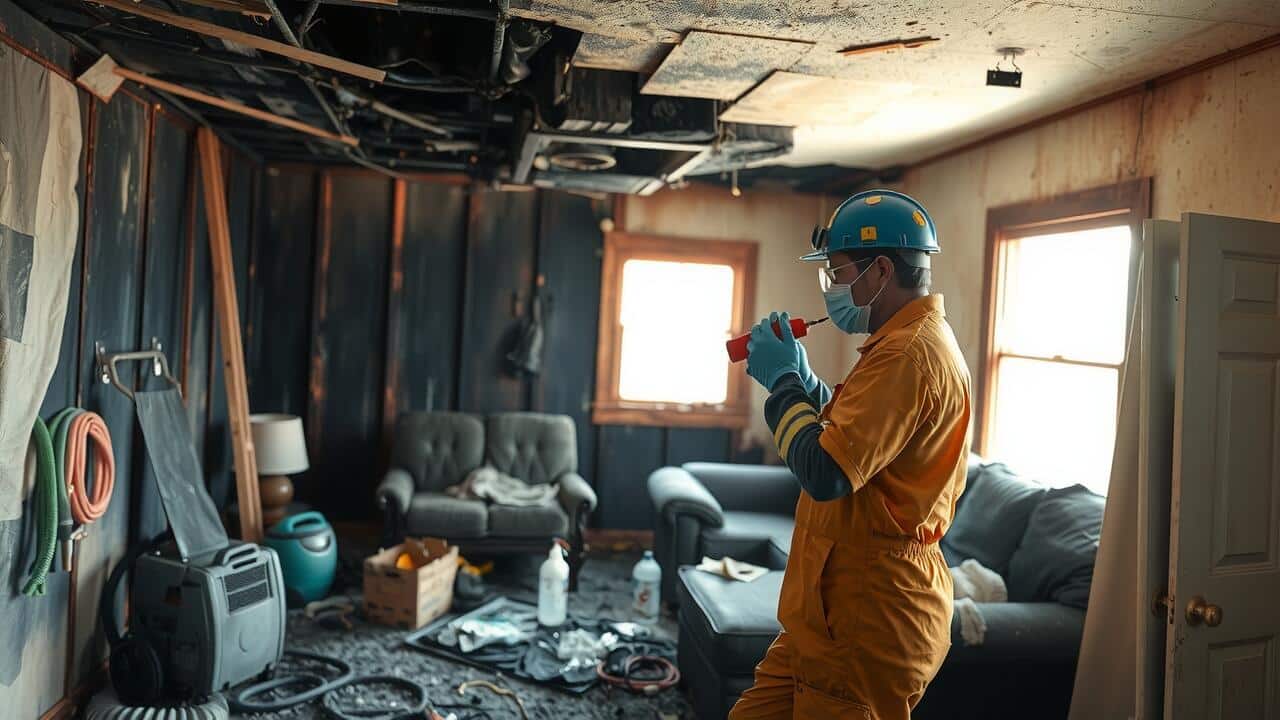
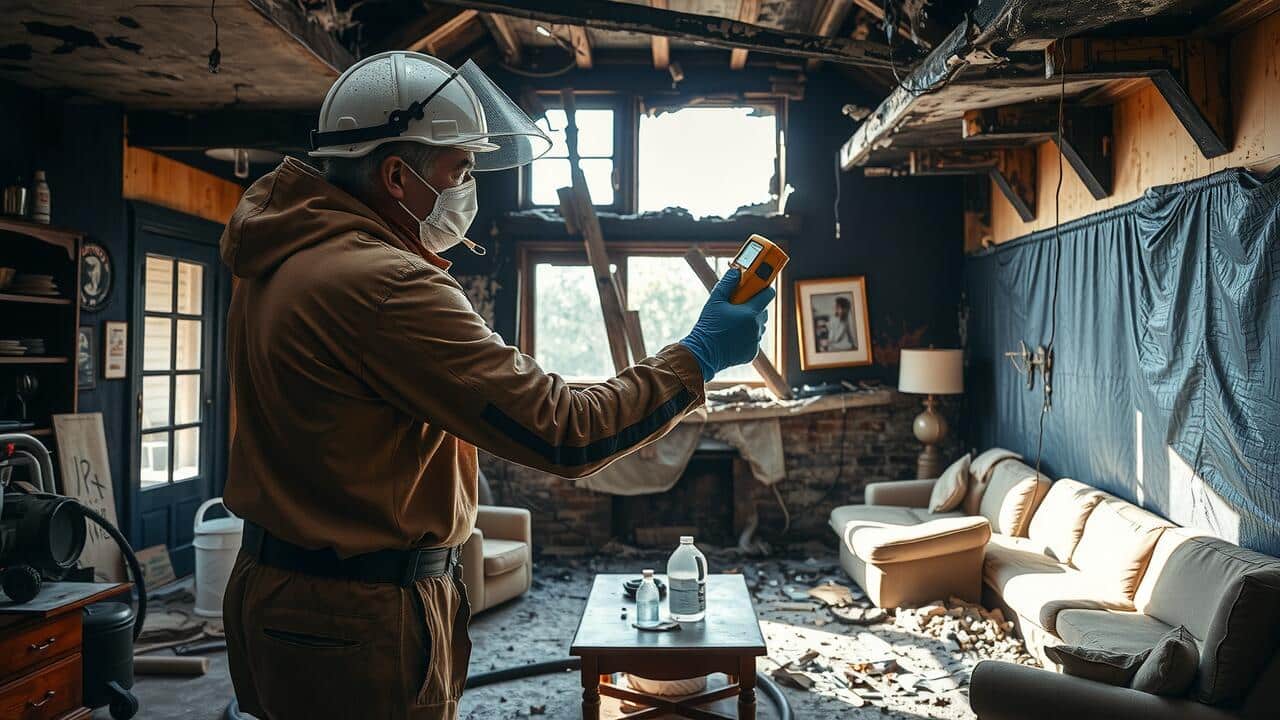
Fire damage restoration service encompasses a critical phase of structural repairs and reconstruction following a fire event. This process involves assessing the integrity of the building’s framework, including walls, roofs, and floors. Many structures may require significant reinforcement due to compromised materials that have lost strength from the heat and flames. Experienced professionals will often inspect the electrical and plumbing systems as well, ensuring every aspect of the property is safe and functional before moving forward with repairs.
Additionally, structural repairs may involve rebuilding or replacing damaged sections. This can include installing new drywall, flooring, or roofing materials that match the original aesthetics of the home or building. A fire damage restoration service will coordinate with contractors to ensure all repairs are up to code and completed efficiently. This stage is vital in restoring not just the physical space but also the sense of safety and comfort for the occupants returning to their property.
Reinforcing Compromised Areas
Reinforcing compromised areas is a crucial step in fire damage restoration service. After a fire, structural integrity can be severely compromised due to heat and flames. Professional teams assess the situation to identify weakened frames, beams, or walls. They employ various techniques to ensure these structures can support the weight and function as intended. This may involve adding reinforcements or even replacing sections that are beyond repair.
In addition to physical support, fire damage restoration services often include thorough evaluations of the affected materials. This assessment helps determine the best approach to fortify the spaces while adhering to building codes and safety guidelines. The objective remains not only to restore the appearance of the property but also to enhance its resilience against future damage.
Contents Restoration
Contents restoration is a critical component of fire damage restoration service. After a fire, various personal items, furniture, and electronic devices may be affected by smoke, heat, and soot. Restoration professionals assess the extent of the damage to each item and determine the best approach for cleaning or restoring them. Techniques can range from deep cleaning and deodorizing to repairing or even replacing items that are beyond salvage.
In many cases, quick action can save valuable belongings from irreversible damage. The fire damage restoration service employs specialized equipment and cleaning agents designed to effectively handle different materials. They can provide tailored solutions for a wide range of contents, ensuring that your treasured possessions are given the best chance for recovery. Working with experts can significantly increase the likelihood of restoring items to their pre-loss condition.
Salvaging Personal Belongings
Salvaging personal belongings after a fire can be a challenging but crucial part of the fire damage restoration service. Professional restoration teams prioritize the assessment of items that can be cleaned and repaired. They evaluate various materials like clothing, furniture, and electronics, determining what is salvageable based on the extent of smoke and heat damage. In many cases, specialized cleaning techniques are employed to restore these items while maintaining their integrity.
In addition to cleaning, some belongings may require repair or replacement. This process involves careful inspection and categorization, ensuring that sentimental items and valuables receive appropriate attention. Fire damage restoration service includes the use of advanced restoration technologies aimed at minimizing loss and maximizing recovery. Effective communication between homeowners and restoration professionals plays a vital role in making informed decisions throughout this process.
Odor Removal Techniques
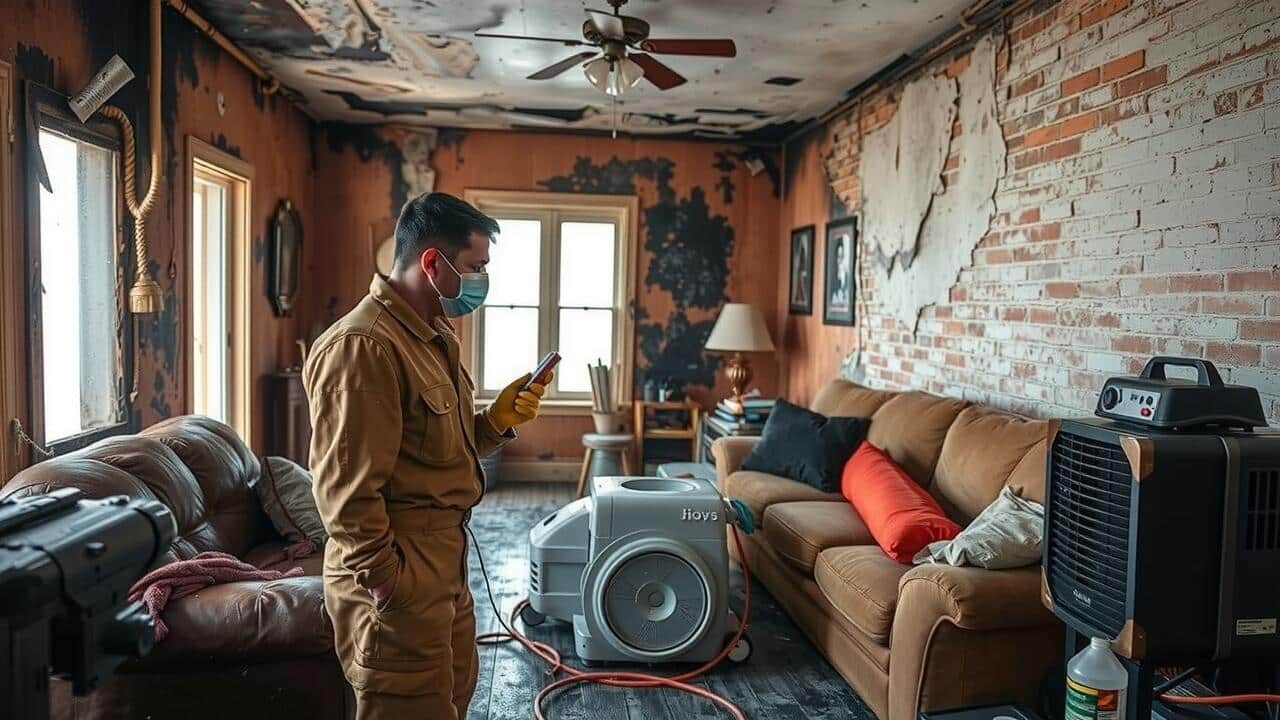
Odor removal is a critical aspect of fire damage restoration service. Smoke odor can permeate various surfaces and materials, making it challenging to eliminate. Professional restoration teams often use specialized equipment such as ozone generators and fogging machines, which help neutralize and remove these persistent smells. In addition to advanced technologies, thorough cleaning of walls, carpets, and upholstery is essential. Effective deodorization requires a comprehensive approach to ensure that all affected areas are treated.
Another common technique involves the use of air scrubbers equipped with high-efficiency particulate air (HEPA) filters. These devices work to trap airborne particles and odors, further aiding in the restoration process. Some restoration services also implement thermal fogging, which utilizes a fogging agent that can penetrate the same surfaces smoke has impacted. Every method employed aims to restore indoor air quality and create a fresh environment for occupants returning to their homes or businesses.
Methods to Eliminate Smoke Odors
Smoke odors can linger long after a fire has been extinguished, causing discomfort and potential health issues. Effective methods for eliminating these odors are essential in a fire damage restoration service. One common approach involves using specialized equipment such as ozone generators, which can neutralize smoke particles in the air and materials. Another technique includes thermal fogging, a process that creates a fog of deodorizing compounds, allowing them to penetrate materials where smoke has settled.
In addition to these advanced methods, thorough cleaning of all surfaces plays a crucial role in odor removal. This may involve using industry-grade cleaning agents designed to break down the chemical compounds found in smoke. Textiles, such as upholstery and carpets, may require professional cleaning or even replacement to ensure the complete eradication of odors. A fire damage restoration service will typically assess the extent of smoke permeation and choose the most effective strategies for a comprehensive solution.
FAQS
What is fire damage restoration?
Fire damage restoration is the process of repairing and restoring a property that has been affected by fire, smoke, and soot. It includes structural repairs, contents restoration, and odor removal techniques to return the property to its pre-loss condition.
What types of structural repairs are involved in fire damage restoration?
Structural repairs may include reinforcing compromised areas, replacing damaged framing, repairing walls and ceilings, and ensuring the overall integrity of the building is restored.
Can personal belongings be salvaged after a fire?
Yes, contents restoration focuses on salvaging personal belongings that may have been damaged by fire, smoke, or water. Professionals use specialized techniques to clean and restore items to their original condition whenever possible.
How are smoke odors removed from a property?
Odor removal techniques involve a combination of cleaning, sealing, and using specialized equipment like ozone generators and air scrubbers to eliminate smoke odors from the affected areas.
How long does the fire damage restoration process typically take?
The duration of the fire damage restoration process can vary significantly based on the extent of the damage, the size of the property, and the specific restoration methods used. It can take anywhere from a few days to several weeks to complete.